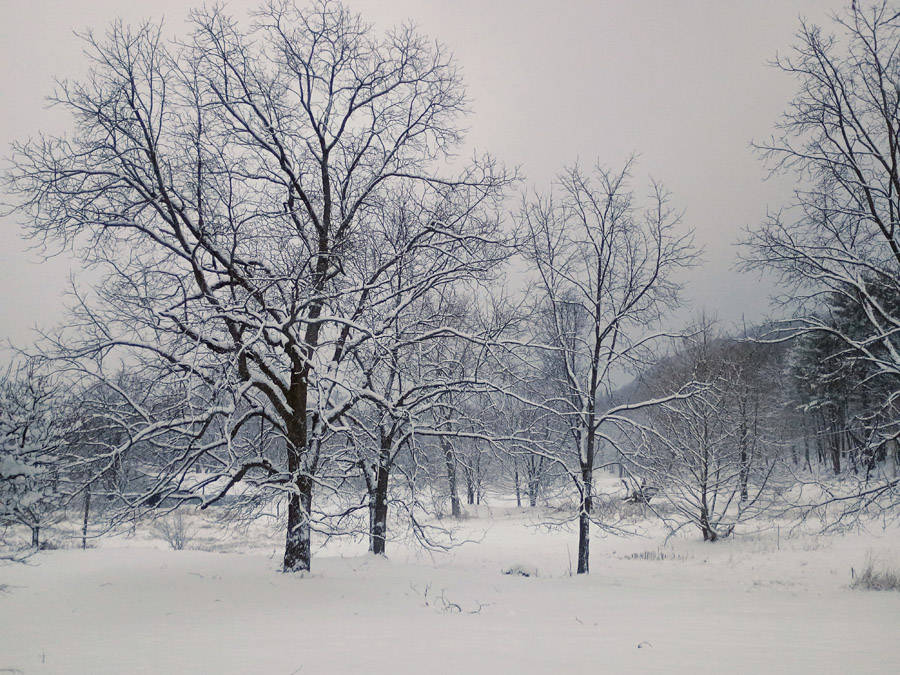
As this harsh winter drags on, my thoughts turn to those, especially some on Native American reservations who live in Third World conditions and don’t have a cozy home with electric, gas or propane heat. Some are lucky to have enough wood to stay warm with others not, incidents of people freezing to death too common. Such conditions are hard to imagine. I avoid going outside, especially the trek to my mailbox which lies up a slight grade about fifty yards away. Going any further is incomprehensible.
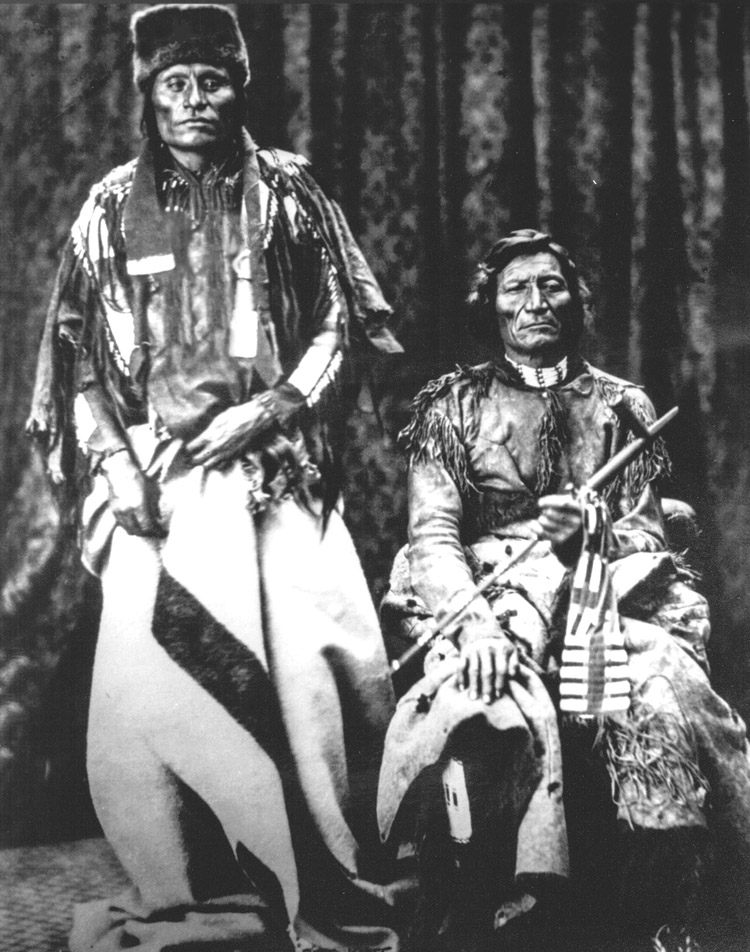
Then I think of the thousand mile journey known as the Northern Cheyenne Exodus. After two years of captivity in Oklahoma’s “Indian Territory” following the Little Bighorn battle on June 25, 1876, 353 Cheyenne escaped under cover of darkness in September 1878 and attempted to return to their Montana homeland. They split into two bands, one led by Little Wolf and the other by Morning Star (often called Dull Knife). Morning Star’s group surrendered at Fort Robinson, Nebraska, but refused to return to Oklahoma.
Subsequently, the 149 men, women, and children broke out of their barracks on January 9, 1879 into a freezing winter storm, resulting in a massacre. Little Wolf’s band made it to Montana, where they stayed until the government finally granted land to the Cheyenne for their current Reservation.
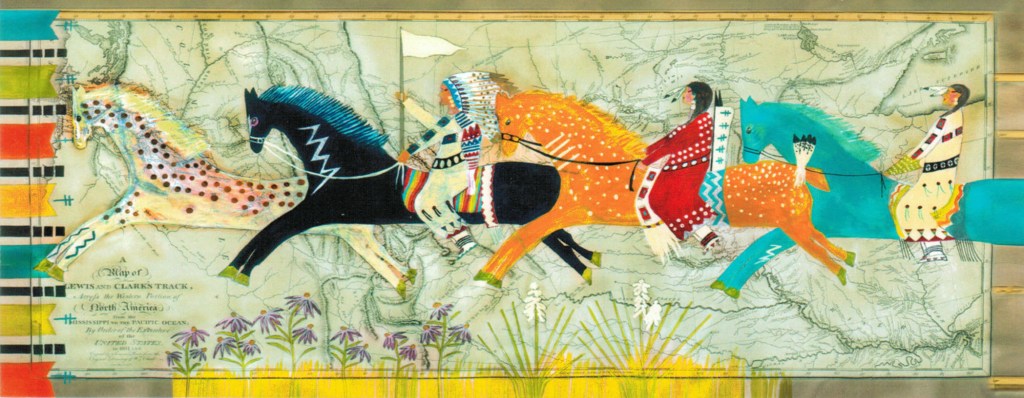
Conditions in Oklahoma were horrible, motivating them to take the risk of leaving. But other than that, what drives people to go to such extremes, to return to their homeland?
Another factor that comes to mind involves the prevailing Cheyenne belief that the Creator, whom they know as Maheo, gave them that land. This became even more viable when my coauthor, Pete Risingsun, and I were researching, “The Revenge of Dead Horse Canyon: Sweet Medicine Spirits – Novavose.” It was then we learned about their ancient sacred ceremony known as the Massaum, also known as the Earth Giving Ceremony, taught to them by their cultural hero and prophet, Sweet Medicine.

More and more frequently those beliefs previously considered myths are being shown to be historical fact. “The Wolves of Heaven” by German anthropologist, Karl H. Schlesier, addresses the Massaum ceremony, its complexity, and meaning. He dates it as going back as far as 10,000 years. That’s a long, long time before Columbus, folks.
Is it possible that the reason the government relented and gave that land in Montana back to the Northern Cheyenne was related to that ancient covenant?
As an astrologer, another thought that comes to mind is the imprint we each receive at birth that’s reflected on your birth chart or horoscope. Its calculated based on the date, time, and location you were born and functions as a roadmap for your life. It includes your personality, strengths, and weaknesses and numerous other things about you to numerous to include here. If you leave your place of birth, the chart moves with you, though the original impression remains.
I was born in New York State, but lived in California, Utah, and Texas before winding up back in New York. Only when I studied astrology did I understand why I felt like a slightly different person in each of those other states. When I moved back it felt oddly comfortable, as if this is where I belonged, even after being gone for over sixty years. The astrological study of locational effects is known as astrocartography, which provides information on how different locales affect you.
Does that astrological imprint combined with genetic coding help migrating birds and other animals, even Monarch butterflies?
How do you feel about your homeland? Do you still live there? Did you return after a long absence? Since I have moved around quite a bit, I’ve noticed that people native to an area often look upon move-ins with suspicion, sometimes even outward hostility. This is true, even if you’re from the same country. I lived in a small town in Utah for 15 years and was always considered a “move-in” by those who’d resided there for several generations. It was the same in small-town Texas and likewise here in New York, even though I was born in the state.
Thus, it’s no surprise, that immigrants from foreign lands with entirely different cultures and languages are often looked upon with suspicion.
Hmmmm…..
Which brings me to the thought, how did Native Americans react to the invasion by Europeans? I think we all know how that turned out. Prophecy has promised them some day they’ll get their land back. If you’d like to read a fictitious version of how that might play out, be sure to read “The Curse of Dead Horse Canyon” trilogy to the end. Available in paperback, hard cover, and ebook formats on Amazon and most online retailers.
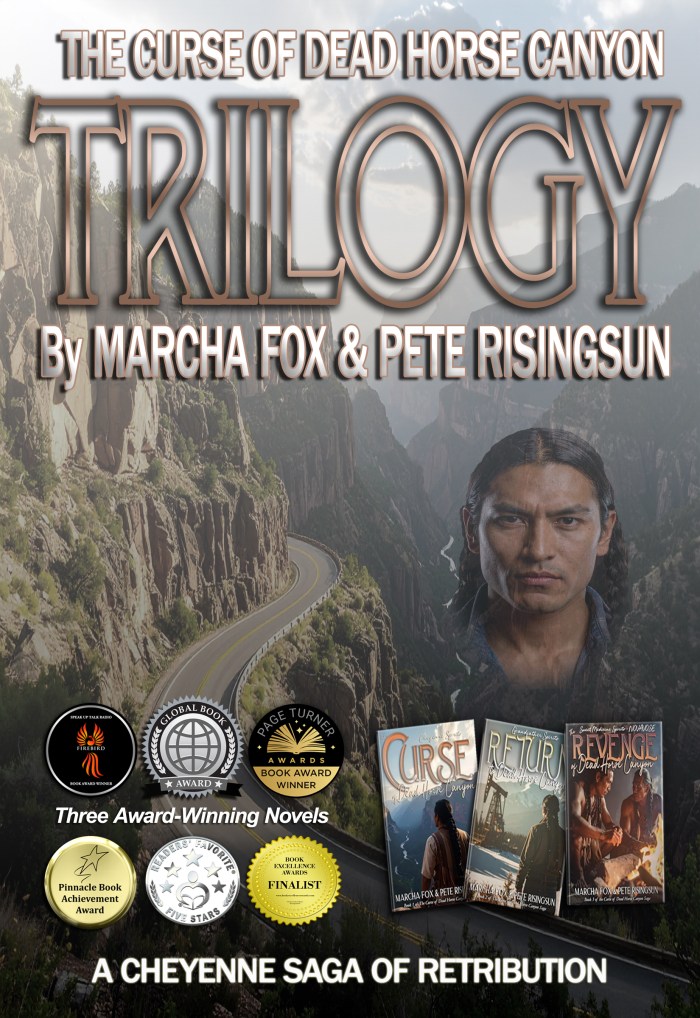


 The Curse of Dead Horse Canyon